
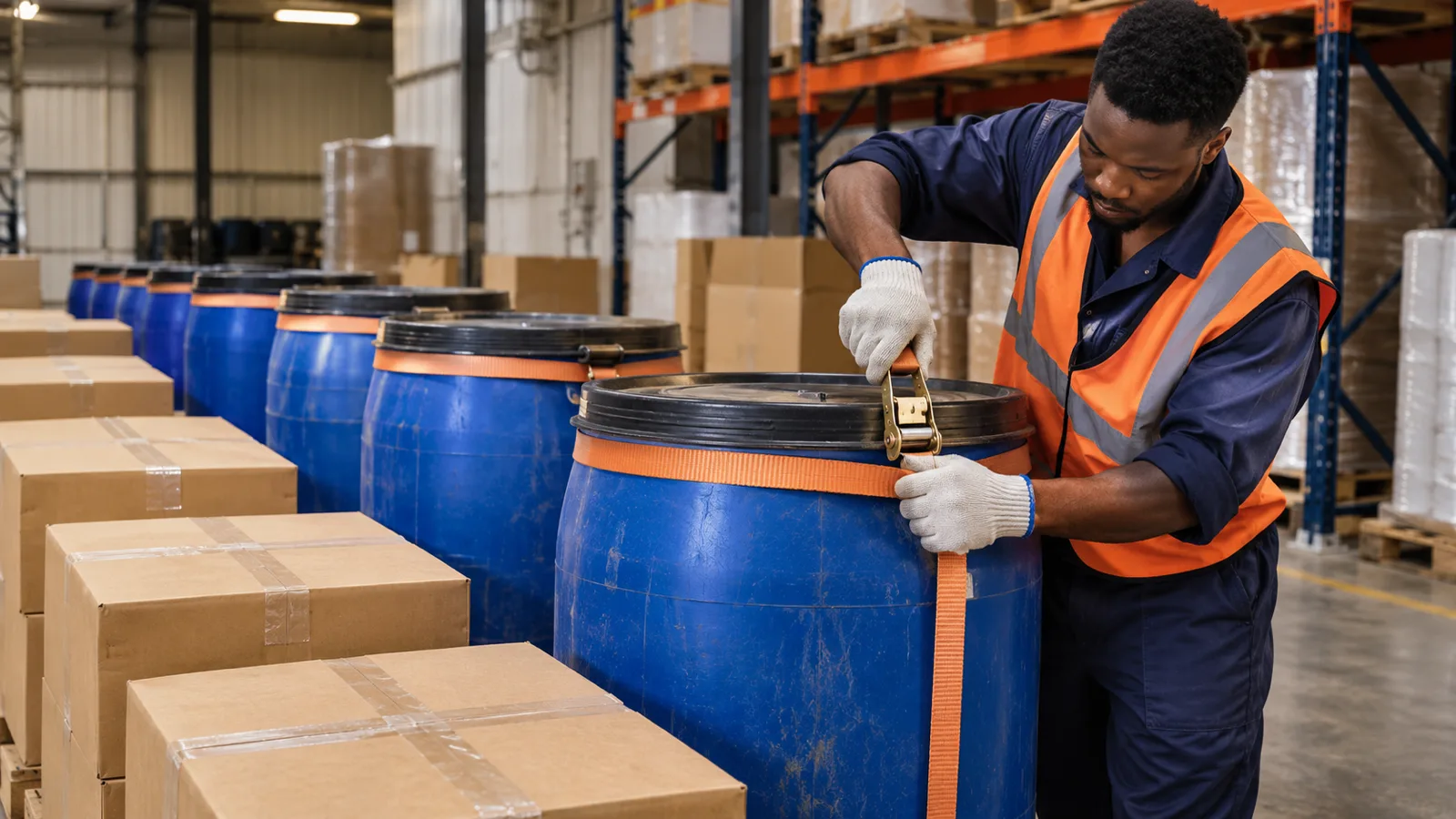
Drive through parts of Toronto, Brampton or Montreal in the weeks before Christmas and you will see them: big blue barrels outside shipping depots, packed tight with rice, canned goods, clothing, school supplies and gifts for relatives in Kingston, Port of Spain, Georgetown or Port-au-Prince. The "barrel" is a tradition in many Caribbean-Canadian families, and it is also a small but real logistics industry.
At the same time, Canadian businesses ship a wide range of commercial goods to the region: food products for supermarkets, building materials, equipment for hotels and resorts, medical supplies and machinery. The Caribbean is a set of separate markets, each with its own customs authority, taxes and rules, linked to Canada mostly by ocean services through eastern Canadian and US ports.
Whether you are a family sending a barrel home, a small business sending boxes to a reseller, or a manufacturer shipping containers to a distributor, the principles are similar. This guide walks through each type of shipment and the practical details that make the difference between a smooth arrival and a shipment stuck on the dock.
How goods get from Canada to the Caribbean
Most freight from Canada to the Caribbean moves by sea. There are a few common patterns:
- Direct or near-direct services from eastern Canada. Some ocean carriers run services from ports such as Montreal or Halifax to Caribbean destinations, sometimes with stops at other ports along the way.
- Via US East Coast or Florida ports. Many Caribbean shipments are trucked from Canada to a US port, particularly in South Florida, where frequent sailings serve dozens of islands. This route often offers more frequent departures and broader coverage.
- Air cargo. For urgent, high-value or perishable goods, air freight from Toronto or Montreal is an option, with direct flights to several Caribbean destinations, especially during the winter travel season.
Transit times depend heavily on the island, the routing and how often a particular service sails. Smaller islands may have less frequent service, so cut-off dates matter.
Shipping barrels and personal boxes
How barrel shipping works
Barrel shippers in Canadian cities with large Caribbean communities collect barrels and boxes from customers, consolidate them into containers and ship them to agents on the island. The recipient usually collects from a warehouse or customs facility at destination, or pays for delivery.
Packing a barrel properly
- Use a sturdy shipping barrel with a secure locking lid or a strong steel band.
- Pack heavy items like canned goods at the bottom and fill gaps tightly so nothing shifts.
- Seal liquids such as cooking oil or toiletries in plastic bags in case of leaks.
- Write a complete, honest packing list. Customs at destination will rely on it, and inaccurate lists can lead to delays or extra charges.
- Label the barrel clearly with the sender and recipient's names, addresses and phone numbers.
What not to pack
Dangerous goods are not allowed in standard barrel consolidation. That includes aerosols, flammable liquids, propane, matches, lighters, bleach and similar chemicals, and loose lithium batteries. Firearms, ammunition and illegal drugs are obviously prohibited. Many destinations also restrict fresh food, meat, plants and seeds, and some limit quantities of items like alcohol and tobacco. Ask the shipper for their list.
Customs at destination
Each Caribbean country applies its own duties and taxes to barrels. Some offer concessions for personal and household goods, for returning residents, or at certain times of year; others charge duty on most contents. The recipient often has to clear the barrel in person and pay any charges before collecting it. Ask the shipper's destination agent what the recipient will need, and keep receipts for new items in case customs asks for values.
Timing around the holidays
December is the busiest time for barrel shipping. Containers fill up, sailings get busy, and customs offices at destination are crowded. If you want a barrel to arrive before Christmas, ship well in advance, typically by early autumn. The same applies before back-to-school season.
Small businesses shipping boxes and parcels
Canadian ecommerce brands, specialty food makers and wholesalers often have customers or resellers in the Caribbean. For small, low-volume shipments, the options are:
- International courier. Fast and tracked, with the courier handling clearance in many cases. Courier rates to the Caribbean can be high for heavier parcels, and duties and taxes at destination can surprise recipients.
- Postal services. Cheaper but slower and less predictable, with tracking that may be limited once the parcel leaves Canada.
- Consolidators. Some freight forwarders accept business boxes into consolidated containers alongside barrels, which can be a cost-effective middle option for heavier shipments that are not urgent.
Whichever you choose, provide a clear commercial invoice, confirm who pays duties and taxes, and tell your customer what to expect. Many Caribbean countries charge import duties plus a VAT or general consumption tax, and some add environmental or customs service fees. If your customer is surprised by the bill, they may not order again. For help choosing, see our comparison of ecommerce shipping solutions.
Commercial exporters shipping pallets and containers
For Canadian manufacturers, food producers and distributors with regular Caribbean customers, ocean freight in pallets or full containers is the norm.
Getting freight to the port
Freight from Ontario and Quebec usually moves to Montreal or Halifax by truck or rail, or south by truck to a US East Coast or Florida port. From Western Canada, routing depends on the service; some cargo moves east by rail, while other shipments use US Gulf or Florida ports. Domestic legs within Canada can be booked as LTL freight for a few pallets, or full truckload for larger orders.
Paperwork
- A commercial invoice and packing list with accurate descriptions, quantities, values and origin.
- An ocean bill of lading, issued by the carrier or forwarder. Our article on the roles of consignee, shipper and carrier clarifies who appears where.
- A Canadian export declaration filed with the CBSA where required, which generally applies to commercial exports to non-US destinations above a set value, or to controlled goods.
- Certificates of origin if the importer is claiming preferential duty under any applicable agreement, and health or phytosanitary certificates for food and agricultural products where the destination requires them.
Food and temperature-sensitive goods
Food exports to the Caribbean are common, from flour and canned goods to frozen meat and dairy. Each destination has its own food import rules, and some products need export certificates from Canadian authorities. Refrigerated containers are used for frozen and chilled goods, which need careful planning because of the heat at destination and the time they may spend at ports. If your products need cold storage before export, cold storage and food and beverage logistics services keep them in range until they are loaded.
Hurricane season
The Atlantic hurricane season officially runs from June through November. Storms can close ports, delay sailings and damage facilities. Exporters should build buffer stock into their customers' supply plans before the peak months, consider cargo insurance, and stay in close contact with forwarders when storms are forecast. Our guide to freight insurance explains coverage options.
Packing for heat, humidity and multiple handlings
A pallet that leaves a cool warehouse in Ontario in February may sit on a hot dock in the tropics a few weeks later. Condensation inside containers, sometimes called container rain, can soak cartons and damage labels. Using desiccant bags, moisture-resistant stretch wrap, and pallets that keep cartons off the container floor all help. Cartons should be strong enough to survive being restacked at a transshipment port, and labels should be printed on durable stock that will stay readable if they get damp.
Consolidating mixed orders
Many Caribbean buyers, such as island retailers or resort operators, order a wide mix of products in modest quantities. Rather than sending several partial shipments, it often pays to consolidate everything for one customer into a single container or a few well-built pallets. A Canadian warehouse can receive goods from multiple suppliers, hold them until the order is complete, and load them together. ShipCarte's distribution warehousing supports this kind of consolidation.
A walkthrough: a Quebec food producer's first container
Imagine a specialty food producer in Quebec that has landed a supermarket distributor on one of the larger English-speaking islands. The distributor wants a mixed 20-foot container of shelf-stable products every six weeks.
The producer first confirms with the distributor what the island's import rules require: label language, any health certificate, and whether the products need registration before sale. It then books a forwarder that offers sailings from Montreal or via a Florida port, and agrees Incoterms so it is clear who pays ocean freight and destination charges. Orders are picked in the producer's warehouse, built onto heat-treated pallets, wrapped and labelled, and loaded with desiccants. The forwarder files the Canadian export declaration, issues the bill of lading and sends documents to the distributor's broker before the vessel arrives. On the second and third shipments, the timeline settles into a routine.
Nothing about that process is exotic. It works because every party has the documents early and the goods are packed for the journey.
Shipping into Canada from the Caribbean
Trade runs both ways. Canada has long offered preferential, often duty-free, access for many goods from Commonwealth Caribbean countries, historically through its CARIBCAN program, which can benefit Canadian importers of products such as rum, sauces, spices and specialty foods. Preferential programs and their eligibility rules change over time, so confirm with your customs broker which tariff treatment currently applies before you rely on it. Importers still need to meet Canadian food and labelling rules, including CFIA licensing for most food imports and bilingual labels for consumer products sold in Canada.
Do's and don'ts for Caribbean shipments
Do
- Confirm the destination's customs rules before you ship.
- Write complete, accurate packing lists and invoices.
- Book early before Christmas and back-to-school.
- Use moisture protection and strong packaging for humid climates.
- Track sailings and cut-off dates for smaller islands.
Don't
- Pack aerosols, flammables, batteries or restricted foods in consolidated shipments.
- Undervalue goods to reduce duties.
- Assume all Caribbean countries apply the same rules.
- Leave perishable goods without a confirmed cold chain at both ends.
Let ShipCarte handle the Canadian side
ShipCarte helps Canadian businesses store, prepare and move goods to ports and forwarders, and supports parcel and freight shipping across Canada and abroad. If you export to the Caribbean regularly, request a quote or schedule a consultation and we will help you plan a reliable route.