
Australians and New Zealanders tend to like Canadian products. Outdoor gear built for real winters, maple syrup and specialty foods, natural skincare, craft spirits, hockey equipment, industrial machinery and software-driven hardware all find buyers on the other side of the Pacific. The cultural fit is easy: English-speaking markets, similar retail habits, Commonwealth legal systems and a shared appetite for the outdoors.
The logistics are less easy. Sydney is roughly 12,500 kilometres from Vancouver, and Auckland is not much closer. Both countries run some of the strictest biosecurity regimes in the world, and both collect goods and services tax on imports in ways that affect how online sellers operate. A Canadian exporter who treats them like just another overseas address can end up with parcels stuck in inspection or containers ordered to be fumigated.
This article answers the questions Canadian businesses most often ask when they start shipping to Australia and New Zealand, from choosing a mode to clearing biosecurity.
How do most Canadian exporters ship to Australia and New Zealand?
It depends on what you sell and how much of it.
International parcels
For ecommerce orders, samples and spare parts, international courier and postal services are the usual route. Express courier services are fast and fully tracked, while postal services are cheaper but slower and less predictable. For a direct-to-consumer brand, the choice often comes down to what customers are willing to pay for shipping and how long they will wait.
Air freight
For larger B2B orders that are time-sensitive, or for high-value, low-weight goods, air freight from Vancouver or Toronto to Sydney, Melbourne, Brisbane or Auckland is a good option. Shipments are consolidated by forwarders and travel on passenger or cargo flights across the Pacific.
Ocean freight
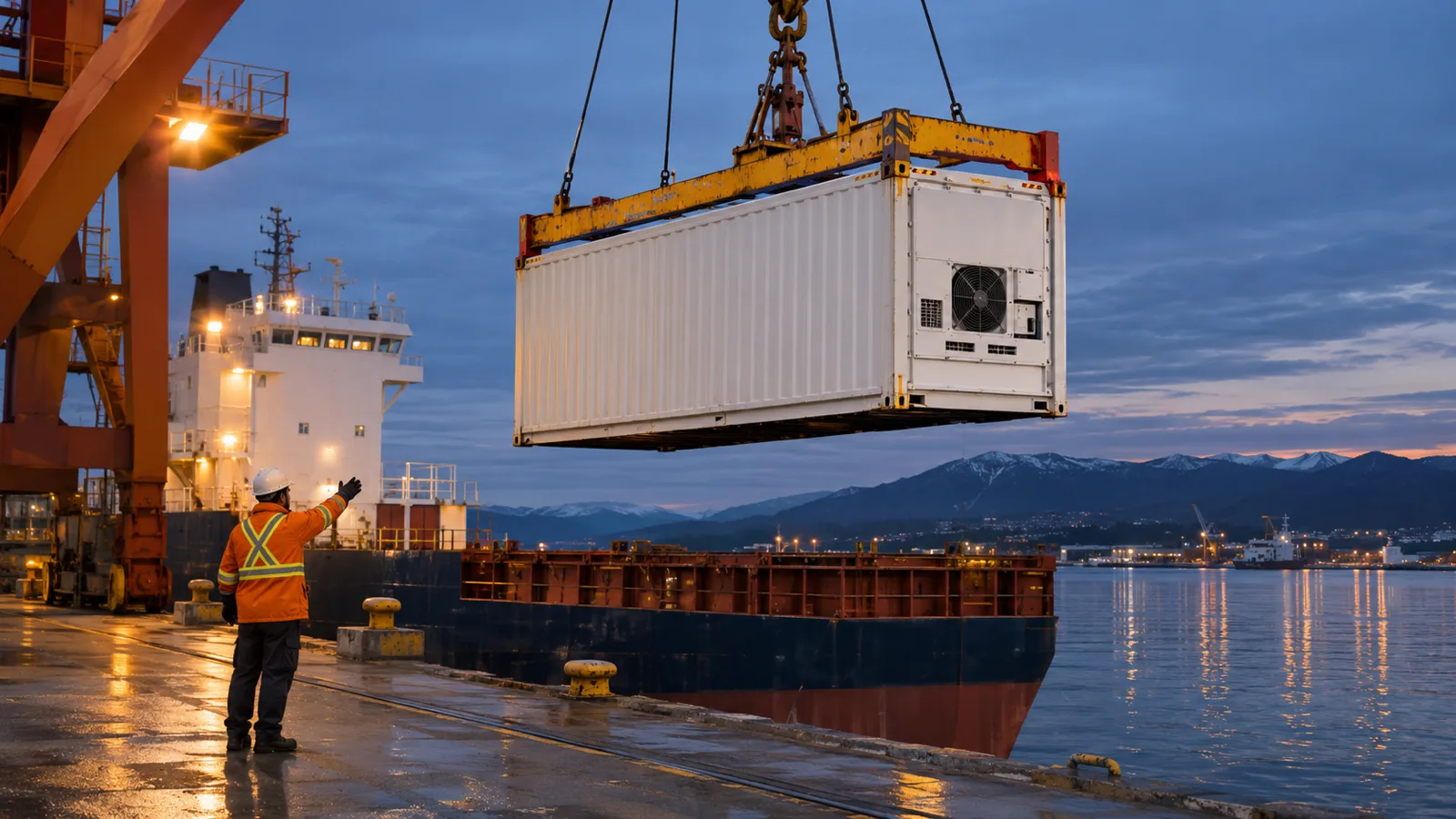
For regular replenishment of distributor or retail stock, machinery and heavy goods, ocean freight is by far the most economical. Most containers depart from the Port of Vancouver, sometimes via other Pacific ports, bound for Australian ports such as Sydney (Port Botany), Melbourne and Brisbane, or New Zealand ports such as Auckland and Tauranga. Goods from eastern Canada usually travel by rail to Vancouver first. Expect door-to-door timelines of several weeks, and plan inventory accordingly.
Smaller exporters can ship less-than-container-load (LCL) consolidated cargo, while established sellers often move to full containers. Our guide to container types explains when refrigerated or high-cube containers make sense.
Is there a trade agreement that reduces duties?
Yes. Canada, Australia and New Zealand are all members of the Comprehensive and Progressive Agreement for Trans-Pacific Partnership (CPTPP), which entered into force for all three at the end of 2018. Under the CPTPP, tariffs on most goods traded between members are eliminated or being phased down.
To benefit, goods must meet CPTPP rules of origin, and the importer needs to be able to claim preference, which is typically supported by a certification of origin from the exporter, producer or importer. The agreement allows certification to be made on an invoice or other document as long as it contains the required data elements. Talk to your Australian or New Zealand buyer and their broker about the format they want.
Australia and New Zealand already have relatively low tariffs on many goods, so the CPTPP's biggest benefit is often on specific product lines such as certain food and agricultural products. Check the rate for your products rather than assuming.
What about GST on imports?
Both countries charge goods and services tax on imports, and both are changing the rules for low-value goods.
- Australia applies GST at 10 percent. Since mid-2018, overseas businesses that sell low-value goods to Australian consumers above a certain annual turnover have been required to register for Australian GST and collect it at the point of sale. Higher-value imports have GST and any duty collected at the border.
- New Zealand applies GST at 15 percent. The government has proposed a similar regime, expected to take effect later in 2019, that would require offshore sellers above a turnover threshold to register and collect GST on low-value goods sold to New Zealand consumers.
If you sell direct to consumers in either country, get advice from a tax professional about whether you need to register. For B2B exports, the importing business usually handles GST at the border. Our article on duties and taxes in cross-border ecommerce covers the general principles.
Why is biosecurity such a big deal?
Australia and New Zealand are islands with unique ecosystems and large agricultural sectors, so both treat pests and diseases arriving with imported goods very seriously. Biosecurity checks apply to all imports, and some requirements catch Canadian exporters off guard.
Wood packaging
Pallets, crates and dunnage made of solid wood must meet ISPM 15 treatment and marking standards. Non-compliant wood can be treated, re-exported or destroyed at the importer's expense. Many exporters switch to plastic or engineered wood pallets for these lanes.
Cleanliness
Goods, packaging and containers must be free of soil, seeds, plant material and insects. Used machinery, vehicles, camping and outdoor equipment are frequently inspected for contamination. Clean and inspect these items thoroughly before packing.
Food and plant products
Many food products, plant-based items and animal products need import permits or must meet specific conditions. Maple syrup, packaged snacks and spirits are generally manageable, but items containing meat, dairy, eggs, seeds or nuts can be restricted. Check the importing country's biosecurity requirements before you take an order.
Seasonal pest measures
Both countries apply seasonal measures for certain pests, such as the brown marmorated stink bug, to goods and containers shipped from specific countries during set months of the year. Which countries and goods are covered can change from season to season, so ask your forwarder whether measures apply to your shipment and timing.
What paperwork should I prepare?
- A detailed commercial invoice with descriptions, values, currency and origin.
- A packing list, including a packaging declaration that states the materials used and whether wood packaging is compliant.
- A CPTPP certification of origin, if the buyer is claiming preference.
- Any import permits or certificates required by the destination for your product.
- A Canadian export declaration where required by the CBSA, typically for higher-value or controlled shipments to countries other than the United States.
How should I pack for such a long journey?
Shipments to Australasia spend a long time in transit and cross the equator, so they face changes in temperature and humidity. Practical precautions include:
- Using desiccants in containers and cartons to control moisture.
- Choosing strong double-wall cartons and robust pallet configurations.
- Protecting temperature-sensitive goods with insulated packaging or refrigerated containers.
- Remembering the seasons are reversed. A shipment leaving a Canadian winter arrives in an Australian summer.
For fragile goods, see our guide to packing fragile items. Consumable goods with best-before dates should have enough remaining shelf life to survive the voyage and still be attractive to buyers.
How long will it take, and how should I plan stock?
Distance is the defining feature of this trade lane. Express courier parcels typically take several business days, economy postal services can take a few weeks, and ocean freight from Vancouver to Australian or New Zealand ports, plus inland legs and clearance at both ends, often adds up to well over a month door to door. Shipments starting in Ontario or Quebec need extra time for rail or truck to the West Coast first.
For B2B exporters supplying a distributor, that means agreeing forecast and reorder points carefully. A distributor in Melbourne cannot wait for a replacement container if they run short, so they will usually want safety stock on hand. Practical steps include:
- Share a shipping calendar with your buyer that shows vessel cut-offs and expected arrival dates.
- Consolidate several product lines into each container to keep the per-unit freight cost down.
- Agree how to handle urgent top-ups, for example by air for a small number of fast-selling items.
- Plan around the Southern Hemisphere retail calendar. Australian and New Zealand summer peaks around December and January, so seasonal products like outdoor and camping gear sell at the opposite time of year to Canada.
That seasonal reversal can be an advantage. Canadian brands with winter-heavy demand at home can use the Australasian winter, from June to August, to keep production and warehouse teams busy during what would otherwise be a quieter period.
What does it cost?
Rather than quote figures that change with fuel, exchange rates and capacity, it is more useful to understand the drivers. Parcel costs depend mainly on weight, dimensions and service speed, and dimensional weight pricing can make large, light parcels expensive. Air freight is priced by chargeable weight. Ocean freight depends on container size or cubic metres for LCL, plus origin and destination charges, inland transport, biosecurity inspection or treatment if required, and customs brokerage. Ask forwarders for all-in quotes that list destination charges separately so you can compare like for like. Our guide to how package dimensions affect shipping costs is a useful companion for parcel sellers.
Should I hold stock in Australia instead?
For direct-to-consumer brands with steady demand, holding inventory in Australia through a local fulfillment partner can make sense, in the same way that overseas brands stock inventory in Canada. You ship in bulk by ocean, clear once, and fulfil domestically. Smaller or newer sellers usually start with parcels and switch when volume justifies it. New Zealand demand can sometimes be served from Australian stock, though trans-Tasman shipments are still international.
Getting orders ready in Canada
Before export orders leave Canada, they often need extra attention: commercial invoices generated for each parcel, packaging declarations, non-wood pallets, or product consolidation from several SKUs into one export shipment. A Canadian 3PL can handle this alongside your domestic orders. ShipCarte's ecommerce fulfillment and small parcel shipping services support international parcels, and carrier management helps compare international courier rates.
Quick checklist for your first shipment
- Confirm the importer and who pays duties and GST.
- Check biosecurity rules for your specific product.
- Replace or certify any wood packaging.
- Clean used goods and equipment thoroughly.
- Prepare a CPTPP origin certification if relevant.
- Choose parcel, air or ocean based on value, weight and urgency.
- Pack for long transit, humidity and seasonal temperature swings.
Ship across the Pacific with confidence
Australia and New Zealand reward exporters who prepare carefully. ShipCarte helps Canadian businesses prepare, pack and ship international orders, whether you are sending parcels to individual customers or pallets to a distributor. Request a quote or schedule a consultation to talk about your export plans.