
Indigenous-owned businesses are a diverse and growing part of the small business community in Canada, spanning everything from artwork, beadwork and clothing to wild rice, coffee roasting, cosmetics, construction supplies and professional services. Many sell directly to customers online, and the shift to ecommerce this spring has made that channel even more important for entrepreneurs who relied on powwows, trade shows, tourism and in-person markets that have been cancelled or postponed.
Shipping can be one of the toughest parts of the business. Entrepreneurs based in fly-in communities, on reserves far from major highways, or in the North face transport costs and transit times that businesses in Toronto or Vancouver rarely think about. Those selling culturally significant products may also run into cross-border rules on certain materials. And many are building a business with little access to the carrier discounts and logistics expertise that larger companies take for granted.
This article looks at the specific shipping challenges First Nations, Inuit and Métis entrepreneurs often face, practical ways to address them, and where to find support. Every business and community is different, so treat this as a starting point rather than a rulebook.
Challenge 1: Shipping From Remote and Northern Communities
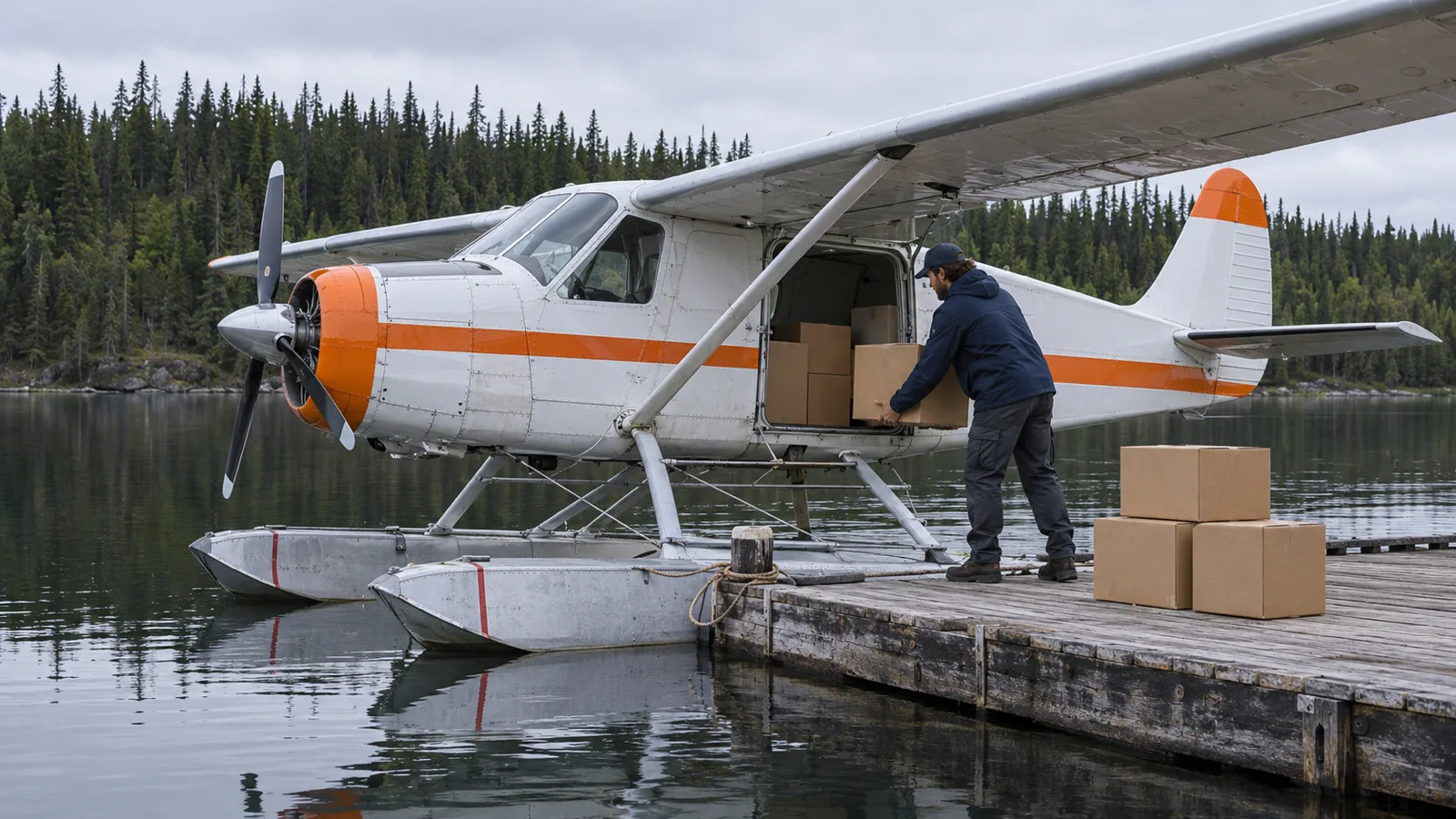
Many communities across Canada are reachable year-round only by air, or by winter roads for part of the year and sealift in summer. For businesses based in these communities, every inbound supply shipment and outbound customer order may travel by air cargo for at least one leg, which is costly and subject to weather delays.
Strategies that can help:
- Stage inventory in the south. Rather than shipping each order individually from a remote community, some businesses send finished stock in bulk to a hub city, such as Winnipeg, Thunder Bay, Edmonton or Yellowknife, or to a fulfillment provider. Orders then ship from there by ground. This turns many expensive small air shipments into fewer, larger ones.
- Plan around seasonal transport. If your community has a winter road or a summer sealift, use those windows for heavy supplies like packaging materials, so you are not flying in boxes and bubble wrap.
- Batch outgoing shipments. If you must ship from the community, sending orders on set days rather than as each one arrives can reduce costs and simplify trips to the airport or post office.
- Be upfront with customers. State clearly on your website where you ship from and how long orders typically take. Most customers buying from a remote artisan understand, as long as they know what to expect.
Challenge 2: Packing Handmade and Cultural Items
Beadwork, quillwork, carvings, moccasins, ribbon skirts and artwork are often one-of-a-kind pieces. A damaged parcel cannot be replaced from stock. Packing for long, multi-leg journeys calls for:
- Rigid boxes rather than soft mailers for anything that could be crushed.
- Acid-free tissue for textiles, hide and beadwork.
- Box-in-a-box packing for carvings and fragile pieces, with cushioning on every side.
- Waterproof inner bags, since parcels may sit on tarmac or a dock in rain or snow.
- Tracking on every shipment, and signature confirmation and adequate coverage for higher-value pieces.
Our guide to shipping handmade goods in Canada has more packing advice by product type.
Challenge 3: Cross-Border Rules for Certain Materials
The United States is a large market for Indigenous art and products from Canada, but some materials face restrictions when crossing the border, regardless of who made the item. Examples include:
- Marine mammal products. The US generally restricts imports of products made from marine mammals, including sealskin, under its Marine Mammal Protection Act. This can affect Inuit-made sealskin clothing and accessories.
- Migratory bird feathers and parts. Many bird species are protected, and items containing their feathers can face restrictions.
- Species listed under CITES. Some animal and plant materials need permits to cross international borders.
Rules differ by country and change over time, and there may be exceptions for personal items or for certain Indigenous-made goods in some markets. Before selling such items internationally, check with Environment and Climate Change Canada, the CBSA, and the destination country's authorities. Describe items accurately on customs forms, including materials. For general cross-border guidance, see our article on duties and taxes in cross-border ecommerce and our cross-border shipping services.
Goods made in Canada may qualify for duty-free treatment into the US under NAFTA, and the new CUSMA agreement, which has been signed to replace NAFTA, is expected to take effect later this year.
Challenge 4: Sales Tax Questions
Tax on sales by and to Indigenous people and businesses can be complex. Under section 87 of the Indian Act, and as reflected in CRA guidance, certain goods sold to status First Nations individuals or bands may be relieved of GST/HST when they are delivered to a reserve, with specific documentation required. Provincial sales taxes, such as PST in British Columbia, Saskatchewan and Manitoba, and QST in Quebec, have their own rules. If you sell and ship to customers on reserves, or if your business is located on a reserve, speak to an accountant familiar with these rules and read the CRA's current guidance. Getting this right at checkout avoids problems later.
Challenge 5: Protecting Authenticity
Mass-produced items marketed as "Indigenous" or "Native-made" compete directly with authentic work. Clearly identifying your business, the maker and the community on your website and product cards helps customers know what they are buying. Some programmes exist to identify authentic work, such as the Igloo Tag trademark for authentic Inuit art. Under federal competition law, misleading representations about products are prohibited, and the Competition Bureau can be a resource if you encounter false claims about Indigenous origin.
In shipping terms, consider including a certificate of authenticity or maker's card in each parcel. It adds value for the buyer, and it documents the item if a customs officer or customer ever has questions.
A Scenario: Moving From Kitchen-Table Shipping to a Hub
Consider a hypothetical Métis-owned skincare company based in a small community in northern Saskatchewan. It makes balms and soaps with locally harvested ingredients and sells online across Canada. Each order is packed at home and driven to the nearest post office, an hour away, two or three times a week.
As orders grow, the owner faces long drives, rising costs and delayed shipments in winter. A practical next step would be to produce in batches and send a few cases each month to a fulfillment provider in a larger centre such as Saskatoon, Regina or Winnipeg, or one serving the whole country from a central location. Online orders would then flow automatically to the provider, which would pick, pack and ship them by ground, often reaching customers faster than before.
The owner would keep control of production and branding while saving hours of driving each week. The trade-offs are storage and handling fees and the need to plan inventory ahead, which tools like inventory management software make easier.
Questions to Ask a Shipping or Fulfillment Partner
Not every provider is set up to serve businesses outside major cities or to handle culturally significant products with care. Before choosing a partner, ask:
- Do you regularly ship to and from remote and northern postal codes, and which carriers do you use for them?
- How do you quote remote-area surcharges, and can I see them before I commit?
- Can you receive inbound stock that arrives by air cargo or on irregular schedules?
- How will you pack one-of-a-kind or fragile items, and can I provide my own packing instructions and inserts?
- Can my online store send orders to you automatically, and how will I see inventory levels?
- What happens if an item is damaged in your care, and how are claims handled?
- Can you help with US shipments and the customs documentation they require?
A good partner will answer these clearly and treat your products with the respect they deserve. If a provider cannot explain its remote-area costs or seems unfamiliar with northern shipping, that tells you something.
Where to Find Support
Several organizations support Indigenous entrepreneurs in Canada, and many have expanded their programmes this spring:
- Aboriginal Financial Institutions, supported by the National Aboriginal Capital Corporations Association, offer loans and business support across the country, and have been delivering emergency relief funding for Indigenous businesses affected by the pandemic.
- The Canadian Council for Aboriginal Business offers networking, research and supplier programmes.
- The Procurement Strategy for Aboriginal Business helps Indigenous businesses compete for federal government contracts.
- Provincial and territorial economic development agencies often have programmes for Indigenous entrepreneurs, including support for ecommerce.
- Band and community economic development offices may help with shared shipping, bulk purchasing of supplies, or space.
Check each organization's current offerings, as programmes change frequently.
Practical Next Steps
- Review your last few months of shipping costs and identify which orders cost the most to deliver.
- Join a carrier small business programme or a multi-carrier shipping platform to stop paying counter rates.
- Test your packaging on your most valuable and most fragile products.
- Check cross-border rules for any materials you use before selling internationally.
- Get tax advice on sales to customers on reserve and in provinces with separate sales taxes.
- Consider whether staging stock in a hub city or with a fulfillment partner would save time and money.
Talk to ShipCarte
ShipCarte supports small businesses across Canada, including Indigenous-owned businesses, with parcel and freight shipping, ecommerce fulfillment and warehousing. We are glad to talk through your situation, wherever you ship from. Schedule a consultation or request a quote.